Home / Pitting and Rust Through
Pitting and Rust Through
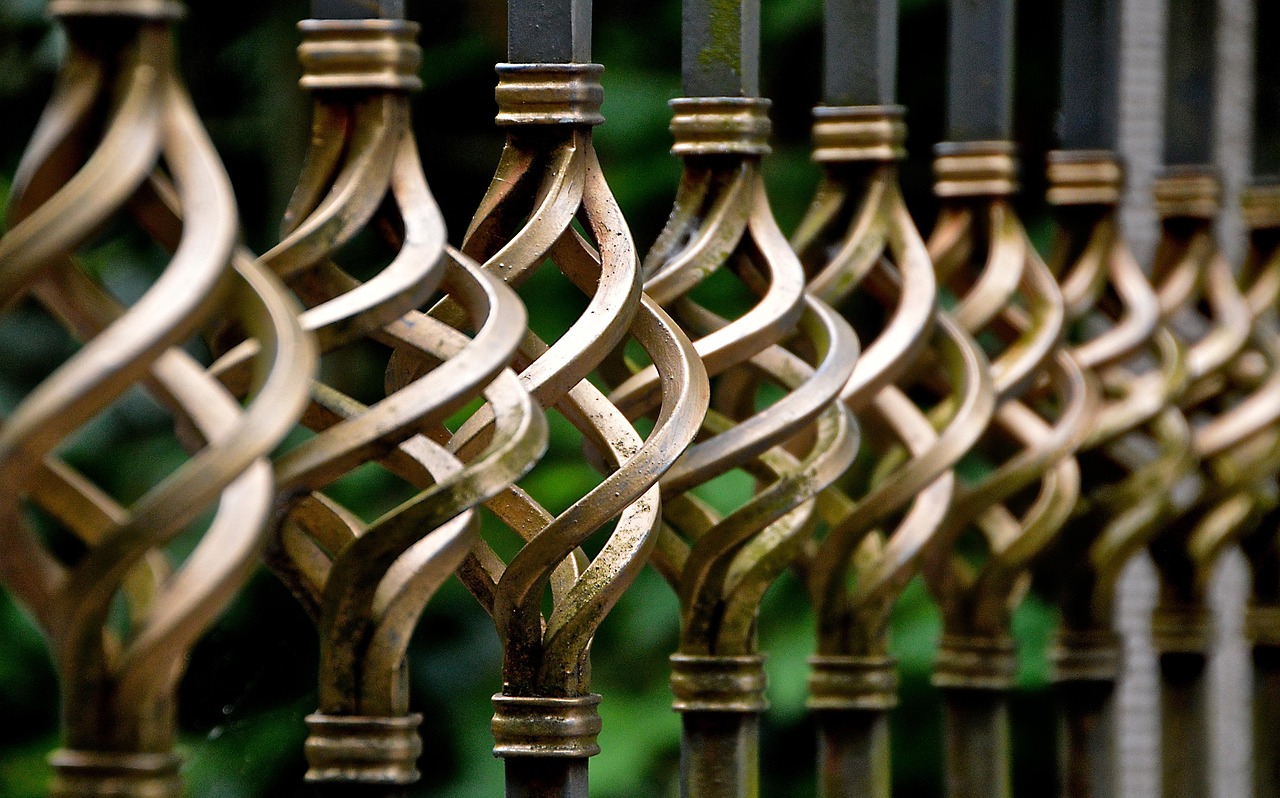
A gate can look reasonably sound from the driveway and still be quietly losing steel. Paint hides depth, and rust blooms spread sideways while the damage underneath goes down. Pitting and rust through are the two stages where cosmetic corrosion turns into structural trouble, and telling them apart from ordinary surface rust is what decides between a weekend repair and a cut-and-replace job.
What pitting looks like
Pitting is rust that attacks in small concentrated spots instead of evenly across the surface. After the oxide is cleaned away, the metal shows tiny craters, like the skin of an orange, or deeper holes that look like pinpricks. Pits form where moisture sits for long periods: under flaking paint, at the bottoms of vertical tubes, along weld seams and beneath mounds of debris. A pit can be shallow and harmless or it can drill most of the way through a tube wall, and the opening at the surface tells you very little about the depth.
Pitted steel is also rougher, which holds more moisture and rusts faster than smooth steel. That makes pits self-reinforcing if they are not treated.
What rust through means
Rust through is the end of the process. The corrosion has gone all the way across the wall of a bar or tube, leaving a hole, or has thinned an edge until it crumbles. At that point the section cannot carry its design load. Hollow tube is especially deceptive because it rusts from the inside as well, where nobody can see. The outside can look decent while the inner wall has largely disappeared.
Reading the metal after cleaning
You cannot judge loss by looking at rusty metal. Clean it first with a wire brush or flap disc to see what is really there. Then use a few simple methods:
- Screwdriver probe: press the tip firmly into pitted areas. Solid metal resists. Compromised metal gives, flakes or punctures.
- Tap test: tap along a rail with a small hammer. Solid steel rings. A dull thud or a papery sound suggests thin walls.
- Flex test: grip a picket and push gently. A bar that bends or wobbles where it used to be rigid has lost section.
- Caliper or ruler comparison: measure the wall thickness at a cut end or open hole and compare it to an undamaged part of the same tube.
Compare similar sections. If one picket measures noticeably thinner than its neighbors, the difference is the loss.
How much loss is too much
There is no single number that applies to every gate, but a few practical guides help. Light, shallow pitting that leaves the wall nearly full thickness can be cleaned, treated and coated. Pits that reduce the wall by a visible fraction across a long run suggest the section is weakened. Any hole through the wall, any edge that crumbles to the touch and any joint whose weld has rusted away deserves repair beyond coating.
The location matters as much as the amount. A pinhole in a decorative picket is a small issue. The same flaw in the bottom rail, a hinge post or a load-bearing frame member is far more serious, since those parts carry the weight of the whole gate. A gate swings, flexes and takes wind loads, and thin sections tend to fail at the worst moment.
Where the worst loss usually sits
- The lowest few inches of vertical pickets and posts, where standing water collects.
- The underside of the bottom rail, which never dries fully.
- Inside hollow tubes with open or unsealed ends.
- Around hinge knuckles and latch hardware where gaps trap moisture.
- Under decorative pieces and scrolls welded flush against the frame.
Checking these spots first gives a fast picture of overall condition.
Repair options for pitted metal
Where pitting is shallow and the wall remains solid, clean to bare metal, treat the pits with a converter or acid-based remover, prime and coat. Some people fill the pits with a metal-rated epoxy filler for a smoother finish, which also seals out moisture. Filler hides pits but does not restore strength, so it belongs on cosmetic damage only.
For small holes in non-structural parts, a welder can fill them with weld metal and grind them flush. This works on solid bar and thick-walled tube. On thin tube, heat and weld metal can blow additional holes around the first one.
When sections need replacing
Replacement is the right call when the wall has thinned across a length, when rust has perforated structural members or when a hinge or latch post has deteriorated at ground level. A fabricator will cut out the damaged length back to sound metal, fit new stock of matching size and weld it in. Cutting back to clean steel is important, since welding onto thin, rusted metal produces a joint that fails again nearby.
Replacing a picket, a short rail section or the bottom rail of an otherwise sound frame is far more economical than discarding the gate. Replacing most of the structure is another matter, and at that point a new gate may be the more honest choice. A frame that has rusted through at multiple joints is rarely worth the repair effort.
Slowing the next round
New metal begins its own countdown, so protect it. Seal the open ends of tubes with caps or weld plates, and drill small drain holes at low points of hollow members so water cannot stay inside. Prime and paint all surfaces before the gate goes back in service, including the inside faces and ends that are hard to reach later. Keep soil and mulch from touching the bottoms of posts, and fix sprinkler spray that wets the gate every day.
Careful inspection with a probe and a bit of honesty about what you find is the best tool here. A gate that can still carry its own weight safely deserves repair, and one that cannot deserves replacement, whatever the paint on top may look like.
A simple record of what you find
Walk the gate with a notebook and a piece of chalk. Mark each pitted or thinned spot, number it and write a short note: location, how deep the probe sank, whether the area is structural. Photograph each mark with a ruler beside it. This record has two uses. It lets you compare the same spots next year to see whether the loss is progressing, and it gives a fabricator exactly what is needed to judge the repair without a second visit. Gates change slowly, and without notes, small differences from one season to the next are easy to miss.
Spots that look the same year after year can be considered stable and managed with coatings. Spots that deepen noticeably between inspections are active and deserve prompt attention, because rust accelerates once the protective film is gone.