Home / Rust Converter Products
Rust Converter Products
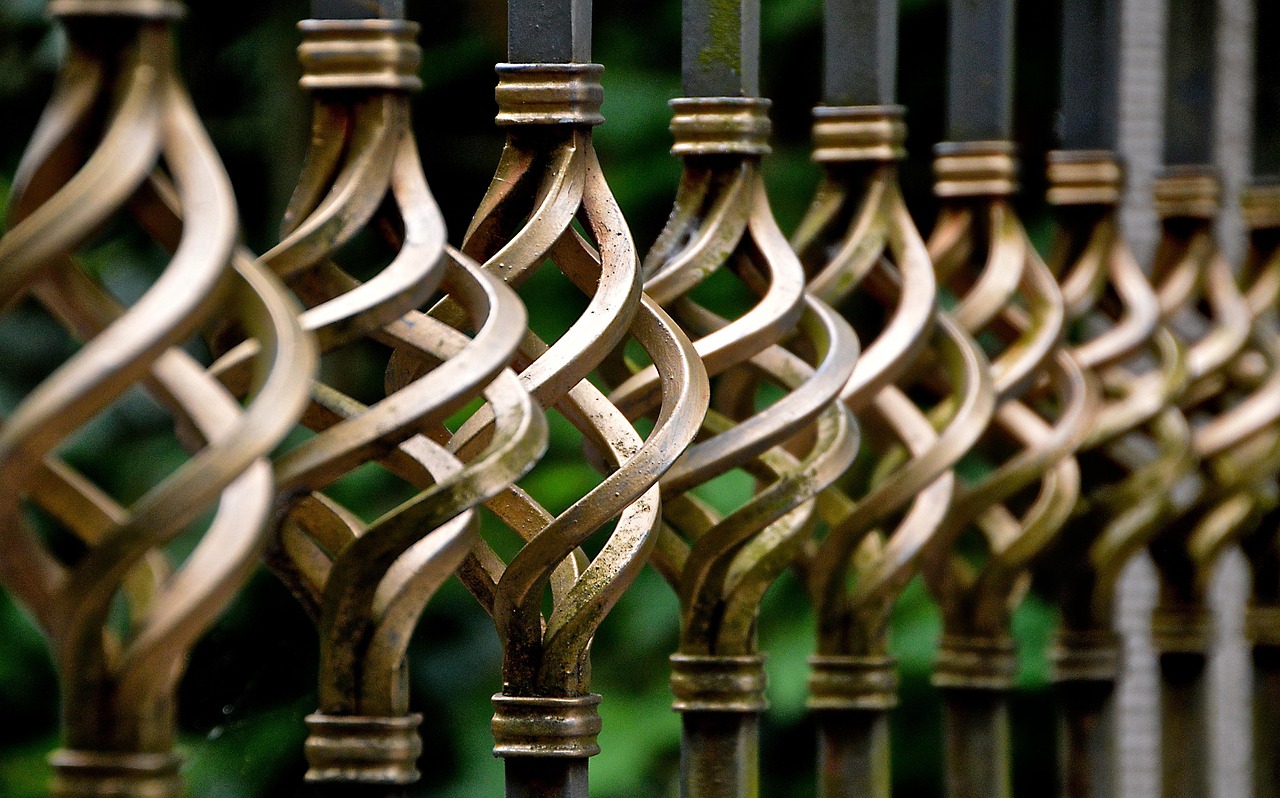
A product that changes rust instead of removing it
Most rust treatments try to take the oxide away. A converter does the opposite. It leaves the thin oxide layer in place and reacts with it, turning the reddish iron oxide into a dark, stable compound that no longer feeds on moisture. After it cures, the surface is meant to be painted over directly. On a gate with intricate scrollwork, tight welds and pitted corners that brushes cannot reach, that idea is appealing, and in the right conditions it works. The conditions are narrower than the labels suggest.
The chemistry in plain terms
Two active ingredients show up again and again. Tannic acid, the same family of compounds found in tree bark, reacts with iron oxide to form iron tannate, a bluish black film. Phosphoric acid reacts with rust to form iron phosphate, a hard, grayish coating that can act as a base for primer. Some products combine them, and some add a polymer binder so the dried film also seals the surface. The dark color that appears is the visible sign that the reaction took place.
The reaction needs contact. Converter has to reach the oxide itself, which means it must soak into the rust and not sit on top of dirt, oil or old paint. This is the first limit: a converter cannot treat what it cannot touch.
Where converters perform well
- Thin, tightly bonded rust after loose flakes have been brushed away.
- Pitted metal where tiny craters hold rust that wire brushes skip over.
- Tight interior corners and the faces of welds that cannot be sanded cleanly.
- Large pieces that cannot be stripped to bright metal, such as a fixed frame in place.
In each of these, the converter treats the remaining oxide after the heavy lifting has been done by mechanical cleaning. Think of it as a finishing step for hard-to-reach areas, not a replacement for scraping and brushing.
Where converters fall short
Thick scale
Layers of flaking rust act like a sponge sitting on top of the metal. A converter can transform the surface of that layer, but the loose material beneath remains weak and eventually lifts, taking the treated surface and the paint with it. Scale has to come off first.
Oily, waxy or painted surfaces
Grease and residues block the reaction. Old paint does too. Anything glossy between the product and the rust leaves a patchy, uneven conversion that shows later as spots of returning rust through the topcoat.
Wet or very cold metal
Moisture trapped in joints interferes with the cure and can leave the film tacky. Many products specify a temperature range and humidity ceiling. In a humid climate, picking a dry morning with the metal fully warmed is more important than the brand on the label.
Structural loss
No converter replaces missing metal. If a bar has thinned, a section has holes or the rust has eaten into a weld, the product only darkens the damage. Judging metal loss is a separate question, discussed on pages about pitting and rust through.
Water-based versus solvent-based types
Converters come in a few forms. Water-based types clean up easily, have low odor and are often milky or bluish before they dry. Solvent-based types may penetrate a little better and dry faster but give off stronger fumes and need more ventilation. Gel versions cling to vertical and overhead surfaces, useful on the sides and undersides of gate rails where liquid would run. Aerosol cans reach into scrollwork but waste product and make overspray.
Some products are marketed as primer and converter in one. Those can simplify the job, but they usually still need a proper topcoat for ultraviolet protection, since the converted film itself is not designed to face the sun uncovered.
How to apply a converter properly
- Wash the gate and let it dry completely.
- Remove loose scale, flaking paint and heavy rust with a wire brush or scraper.
- Wipe the surface to remove dust. Do not rinse again unless the label allows damp surfaces.
- Apply a thin, even coat with a brush, working it into pits and corners. Avoid puddles, which stay wet and cure poorly.
- Watch for the color shift to dark brown or black, which usually takes some minutes to hours depending on the product.
- Apply a second thin coat if the label advises it, or if bright orange spots remain.
- Allow the full cure time before priming or painting, often a full day.
Wear gloves and eye protection. The products are acidic and can irritate skin and eyes. Cover the ground below, since drips can stain concrete and pavers.
Topcoating after conversion
Check whether the converter requires primer before paint or can be painted directly. Many are compatible with a range of oil-based and acrylic coatings but not all. A bit of testing in a hidden area, letting the paint dry and then checking adhesion with a fingernail scratch, is cheap insurance. Applying a proper topcoat quickly matters: the converted layer is thin and easily scuffed.
Reasonable expectations
A converter can slow down rust in places where full removal is impractical, and it can give paint a more stable surface than loose orange oxide. It cannot make a failing gate sound. Over many seasons of wet and dry cycles, gates treated only with converter and a light coat of paint often show returning rust at the joints. Treat converters as one step in a system that includes cleaning, priming and a durable topcoat, and the results hold up far better than any single product used alone.
Storing and handling the product
Converters are acidic or reactive, so the can deserves some respect. Keep the lid sealed tightly, because exposure to air thickens many formulas and lets the active ingredients weaken. Store the container away from freezing temperatures and out of direct sun, since both can separate the mixture. Never pour leftover product back into the can after it has touched rusty metal, as dissolved iron contaminates the remainder.
Use a disposable brush or an inexpensive nylon brush, because the acid can attack natural bristles and metal ferrules. Rinse tools according to the label, usually with water for water-based types. Dispose of rinse water responsibly rather than pouring it onto soil or into storm drains.
Testing before committing the whole gate
Pick a hidden spot, such as the inside face of a rail near the hinge, and treat a patch about the size of a hand. Let it cure fully, apply the primer or paint you plan to use and wait for that to dry. After a few days, scratch the patch with a fingernail and press a strip of tape onto it. If the finish stays put and no orange bleeds through, the combination is working. If it peels or stains, the converter and coating are not compatible, and switching products is far easier than redoing a whole gate.
Watch the patch through a rainy week as well. A converted surface that stays dark and stable in damp weather is a good sign, while a surface that develops orange freckles suggests rust remained that the product could not reach.